



Reverse Mortgage News and Analysis
Reverse Mortgage Daily (RMD) has a new home with HousingWire. Edited by Chris Clow and the HousingWire Newsroom, RMD provides dedicated reverse mortgage news, insights and commentary. HousingWire is investing in more reverse mortgage news coverage and analysis to provide you with the full picture.
Welcome to the new Reverse Mortgage Daily!
Top Stories
Reverse Mortgage Daily Newsletter
A daily newsletter featuring our latest reverse mortgage news and analysis. Enter your email below to get on the list!
Latest News
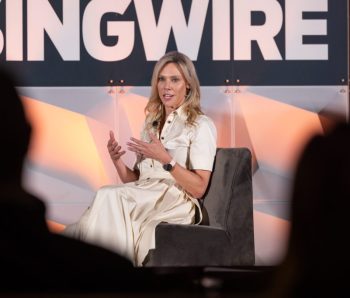
Kristen Sieffert leads the reverse mortgage presence at The Gathering
Apr 25, 2024FOA’s president spoke about bringing reverse mortgages into the mainstream at the event in Scottsdale, Arizona.
-
GAO highlights reverse mortgage counseling in new report
Apr 25, 2024 -
Reverse mortgage veteran offers advice for bringing new partners aboard
Apr 24, 2024 -
What are the potential home equity and tax strategies for wealthy seniors?
Apr 24, 2024 -
US Mortgage Corporation committed to reverse channel, new HECM head says
Apr 23, 2024

Upcoming Events

Surprise: First-time home buyers are on the rise. Here’s how to earn their business.
Apr 25, 2024The recent interest rate and inventory environment hasn’t been hospitable for first-time home buyers. Despite challenges, this segment made a notable jump in the first quarter of the year: Maxwell data shows that the first-time home buyer loan share grew by 13% year-over-year and 18% quarter-over-quarter, with loan counts rising twice as fast as the […]
-
AI accelerates lending. For real
Apr 11, 2024 -
The Key Stats To Watch in This Surprising Market
Apr 02, 2024
Longbridge Financial Library
Reverse purchase financing: The financing option no one is talking about
With reverse purchase financing, older homebuyers can increase their purchasing power with fewer financial limitations as they move towards retirement.
How Reverse for Purchase can help baby boomer borrowers
Older Americans are sitting on more than $12 trillion in home equity, according to the National Reverse Mortgage Lenders Association (NRMLA)/Riskspan Reverse Mortgage Market Index. These homeowners are seeking different retirement solutions to help allocate their home equity and make it more durable over the next 20 to 30 years.
How one company is empowering homeowners and brokers with home equity products
HW Media Managing Editor of Content Solutions Maleesa Smith sits down with Adrian Prieto, SVP of Wholesale at Longbridge Financial, to discuss the home equity conversion mortgage and its advantages for homeowners aged 62 and up.
HECM vs. HELOC: What are the advantages?
Today’s housing market has many looking for ways to cash in their equity, especially older homeowners. However, the standard HELOC isn’t the right choice for everyone. HousingWire recently spoke with Adrian Prieto, SVP of wholesale and third-party relationships at Longbridge Financial, about the advantages of HECMs and how they better serve homeowners aged 62 and older.
Chris Mayer: Housing policy, securitization and building the nation’s largest wholesale reverse mortgage lender
On this episode, HW Media CEO Clayton Collins sits down with Chris Mayer, CEO of the fastest-growing major reverse mortgage lender, Longbridge Financial. Chris is also a professor of finance at Columbia Business School, has held positions at the Federal Reserve and has spent his career publishing his writing on housing and mortgages in top academic journals.
Reverse Podcasts
Kristen Sieffert on the state of the reverse mortgage industry
Dec 20, 2023On today’s episode, Editor in Chief Sarah Wheeler talks with Kristen Sieffert, president of Finance of America, about the state of the reverse mortgage industry going into 2024. Related to this episode: The HousingWire Daily podcast examines the most compelling articles reported across HW Media. Each morning, we provide our listeners with a deeper look into […]
-
RMD Podcast #50: Reactions to NRMLA Annual from government leaders, industry professionals
Nov 28, 2023 -
RMD Podcast #49: Garrett Duffy, reverse mortgage originator at Norcom Mortgage
Nov 01, 2023 -
RMD Podcast #48: Eddie Herda, VP, creative director and brand strategy at loanDepot
Sep 27, 2023 -
How reverse mortgage lenders made a profit in Q2, and what’s next
Sep 20, 2023